Our DNA

Racing DNA.
It’s one of the most commonly used phrases in the motorcycle industry. Almost every manufacturer claims their motorcycles are inspired by racing. But what does that actually mean?
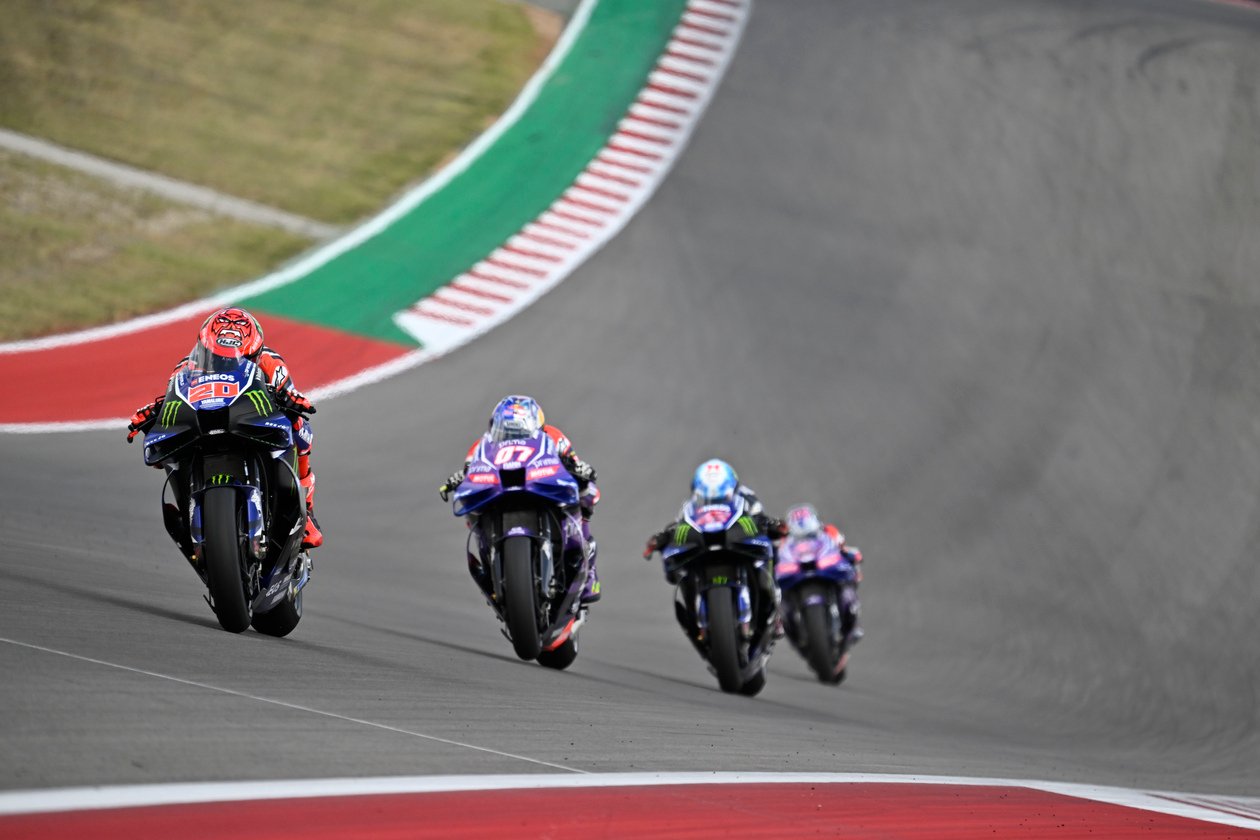
For Yamaha, racing DNA isn’t just a marketing slogan. Racing has been part of the company’s identity since the very beginning. In fact, Yamaha entered and won major races in Japan with its very first motorcycle, the YA-1, shortly after the company was founded in 1955.
More than 70 years later, Yamaha continues to compete at the highest levels of motorcycle racing. While most riders will never line up on a MotoGP grid, many of the lessons learned on the racetrack continue to influence the motorcycles Yamaha builds today.
The question is: Where exactly can you find Yamaha’s racing DNA?
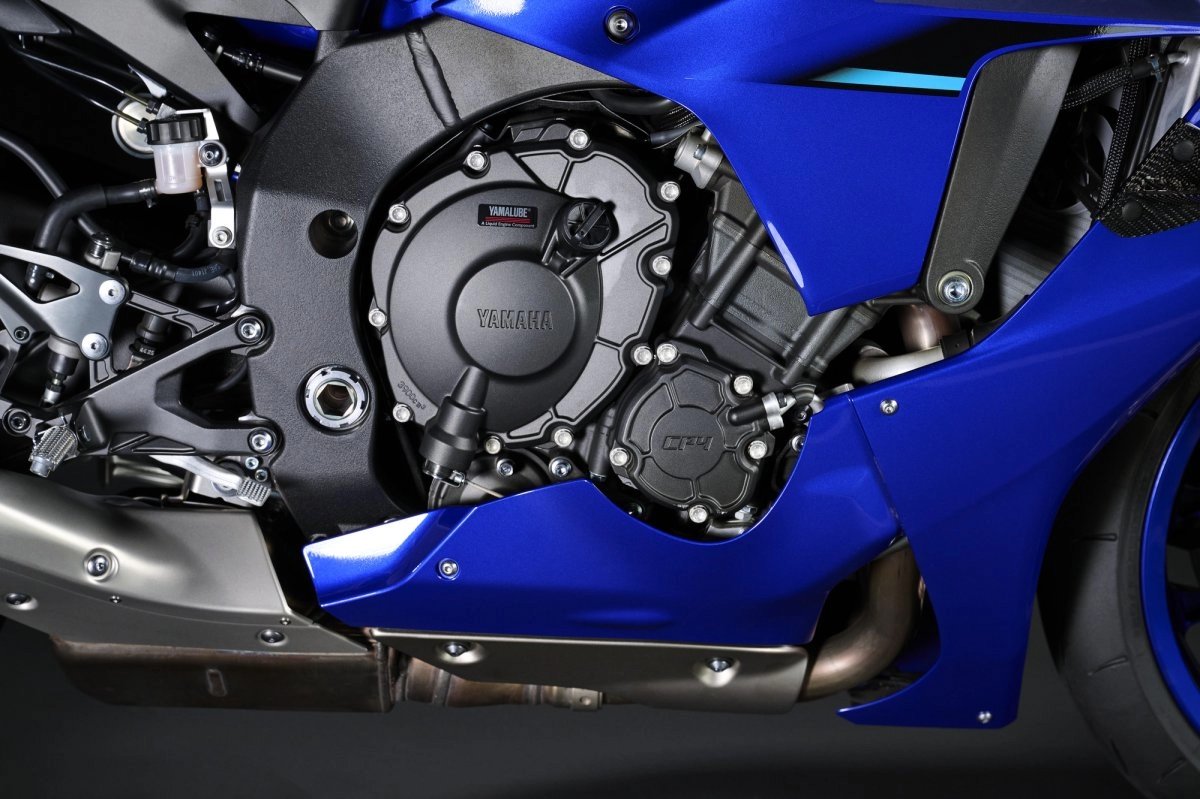
It Starts With The Engine
One of the biggest lessons Yamaha has learned through decades of racing is that performance isn’t just about horsepower.
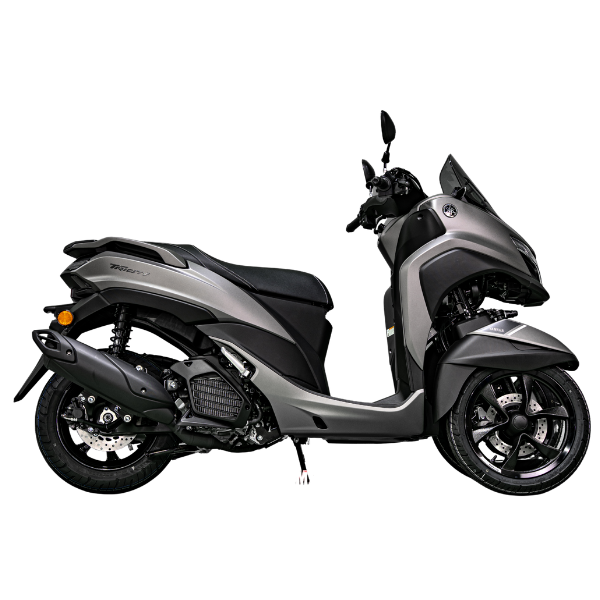
A motorcycle’s power delivery is just as important as the amount of power it produces. This philosophy can be seen throughout Yamaha’s lineup. Rather than chasing the highest numbers on paper, Yamaha engineers often focus on creating engines that are predictable, responsive and enjoyable to use in real-world riding conditions. It’s one of the reasons many riders describe Yamaha motorcycles as easy to ride, yet rewarding when pushed harder.
Importance of Chassis Balance
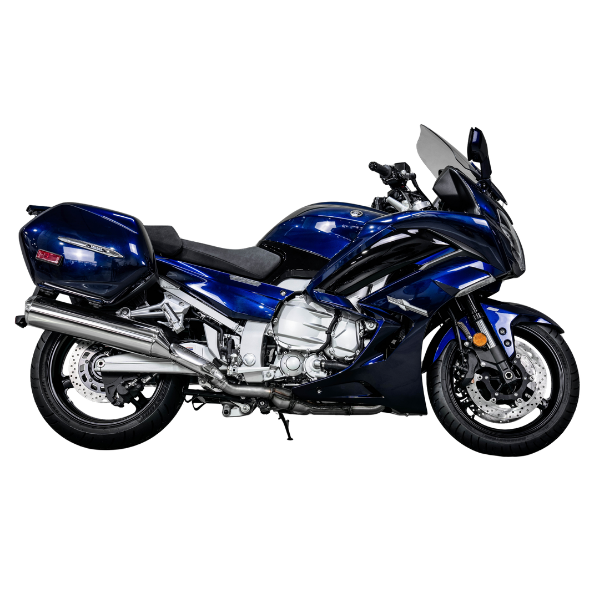
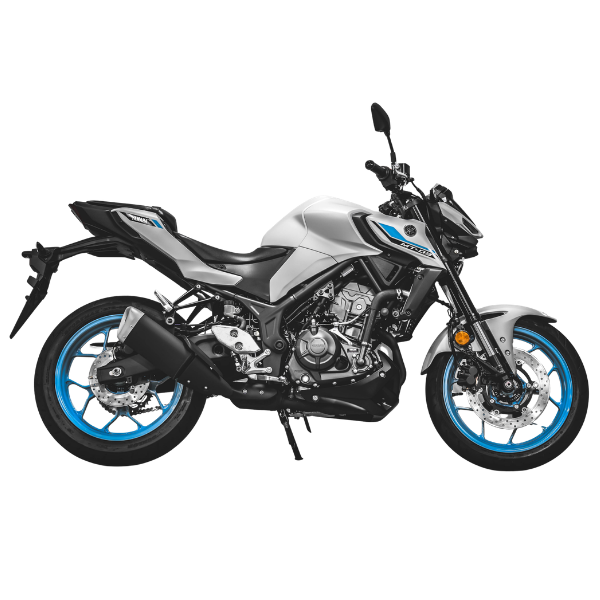
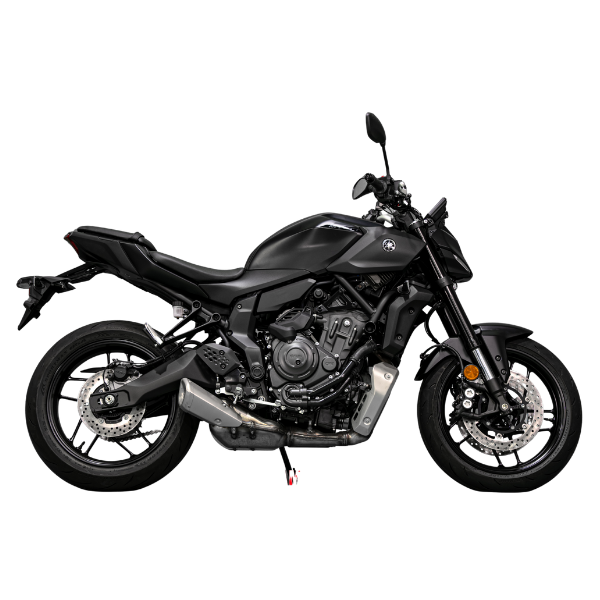
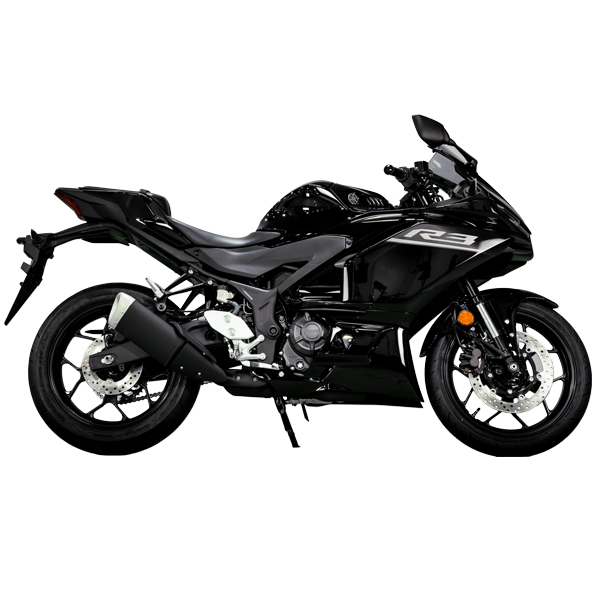
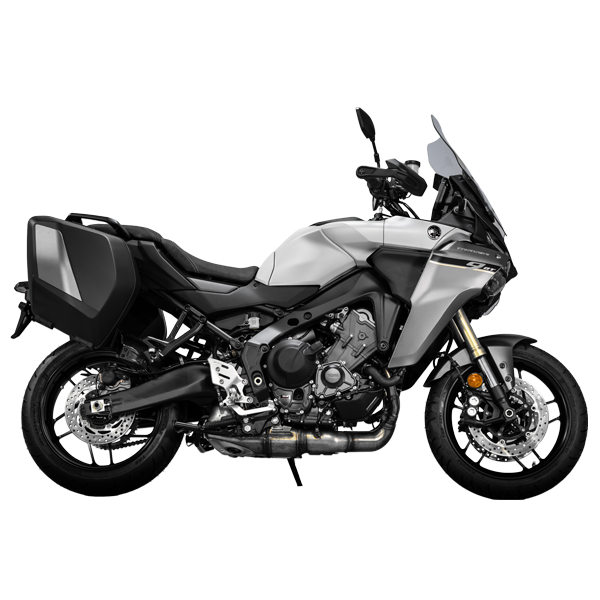
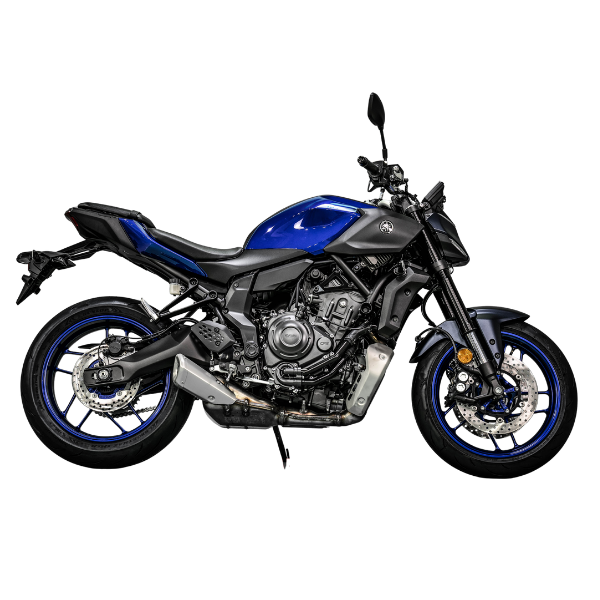
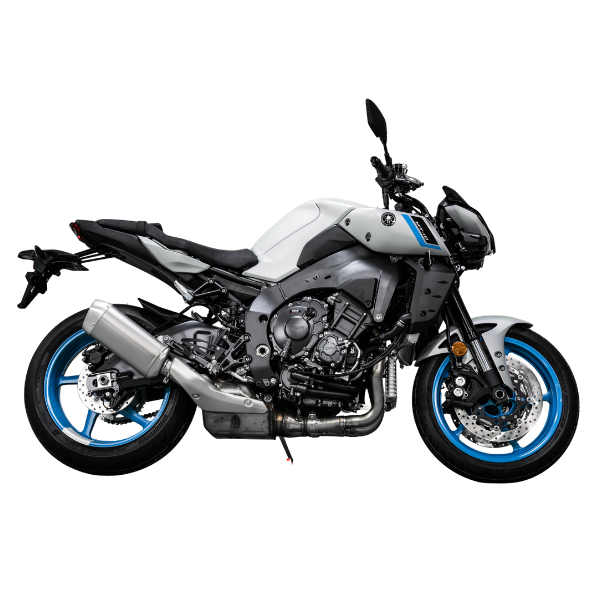
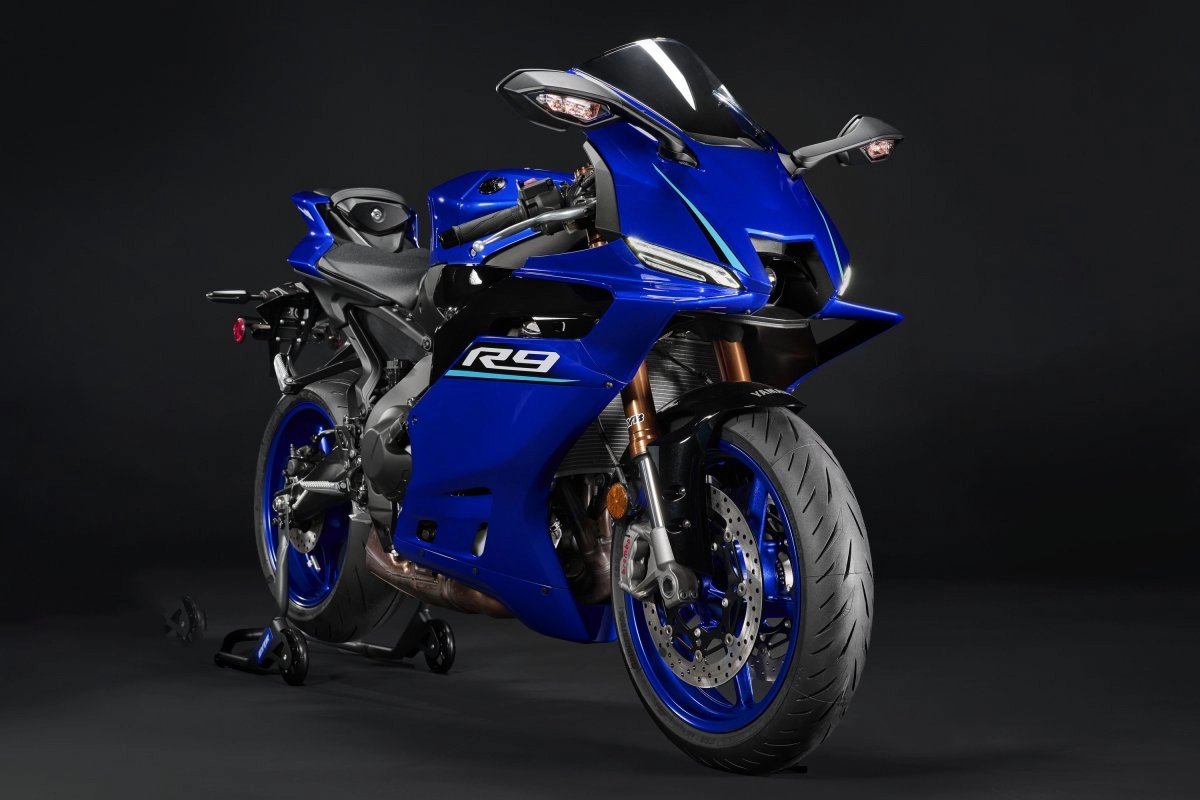
Ask experienced riders what makes a motorcycle enjoyable and many will talk about handling rather than outright power. This is another area heavily influenced by Yamaha’s racing programme. On a racetrack, confidence matters. A motorcycle that feels stable when braking, turning and accelerating allows riders to perform consistently and safely. That same philosophy can be found in Yamaha road bikes today. Whether it’s an R Series sports bike, an MT Series naked bike or a Tracer touring motorcycle, Yamaha places significant emphasis on chassis balance and rider confidence.
Electronics Developed Through Competition
Modern motorcycle racing relies heavily on electronics. Traction control systems, ride modes, quick shifters and advanced engine management systems all play an important role in helping riders maximise performance. Many of these technologies first gained attention through top-level racing before eventually appearing on production motorcycles. Today, features once reserved for professional racers can be found on motorcycles available to everyday riders.
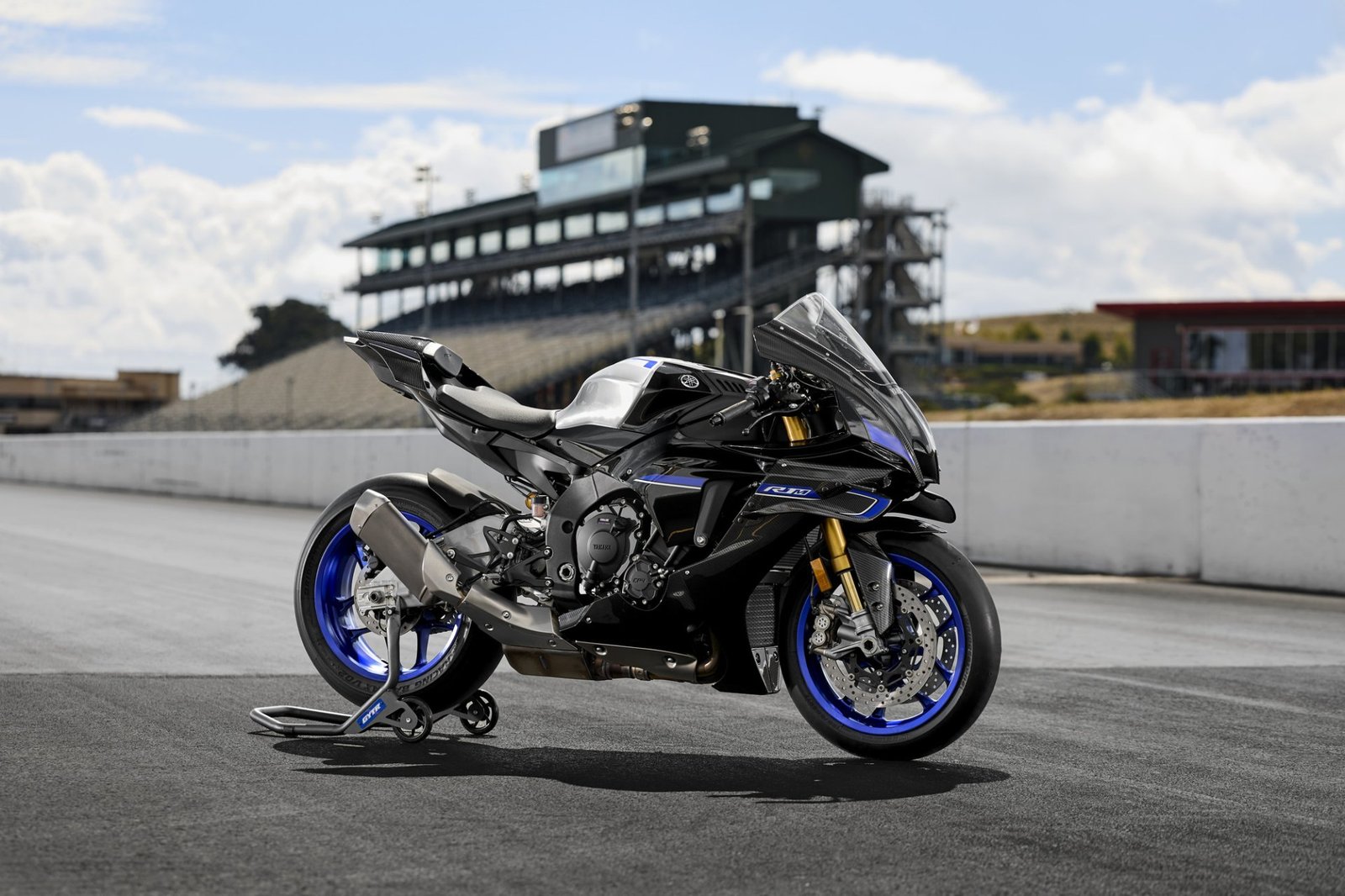
Racing DNA Beyond The R Series
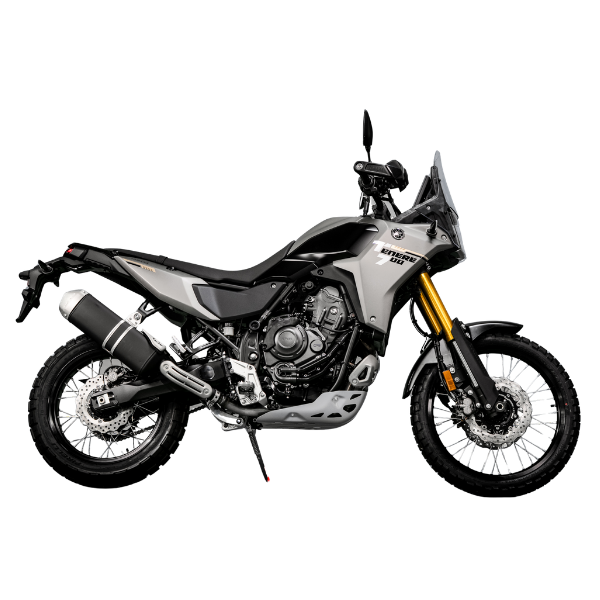
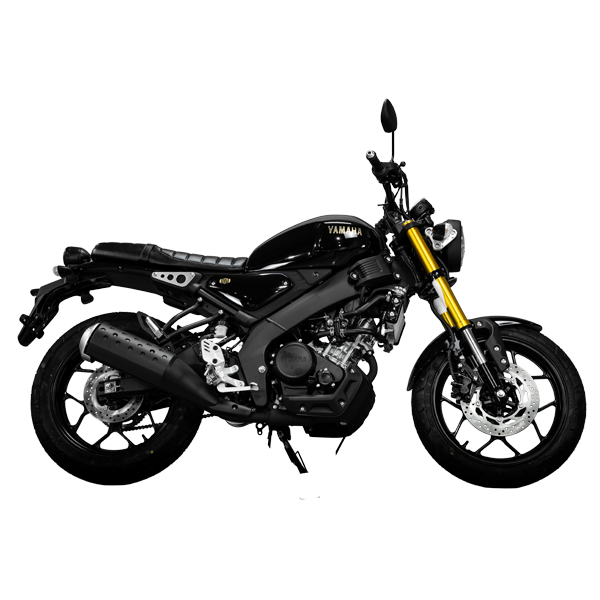
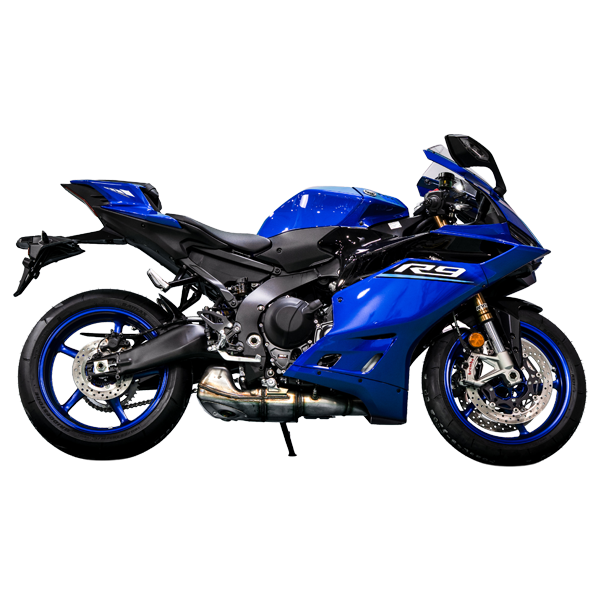
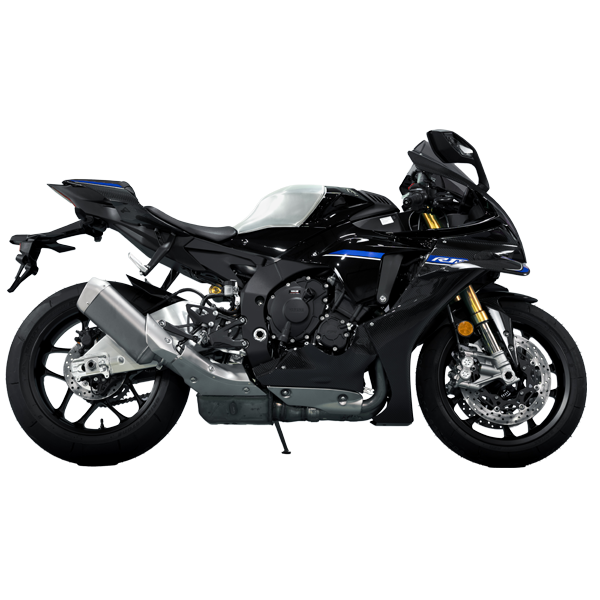
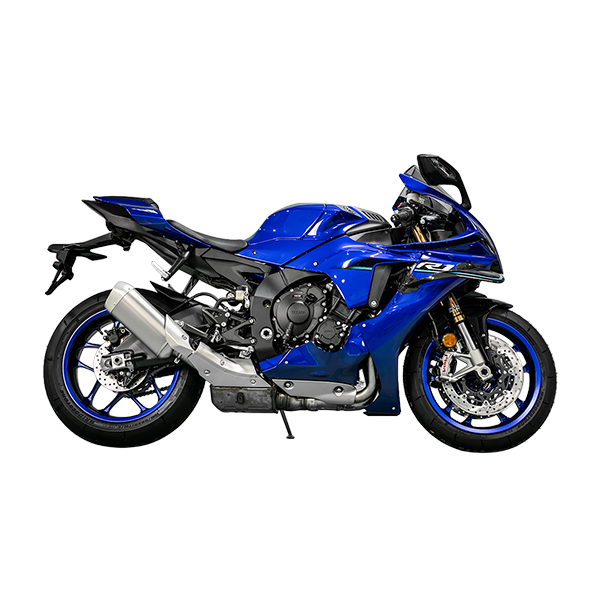
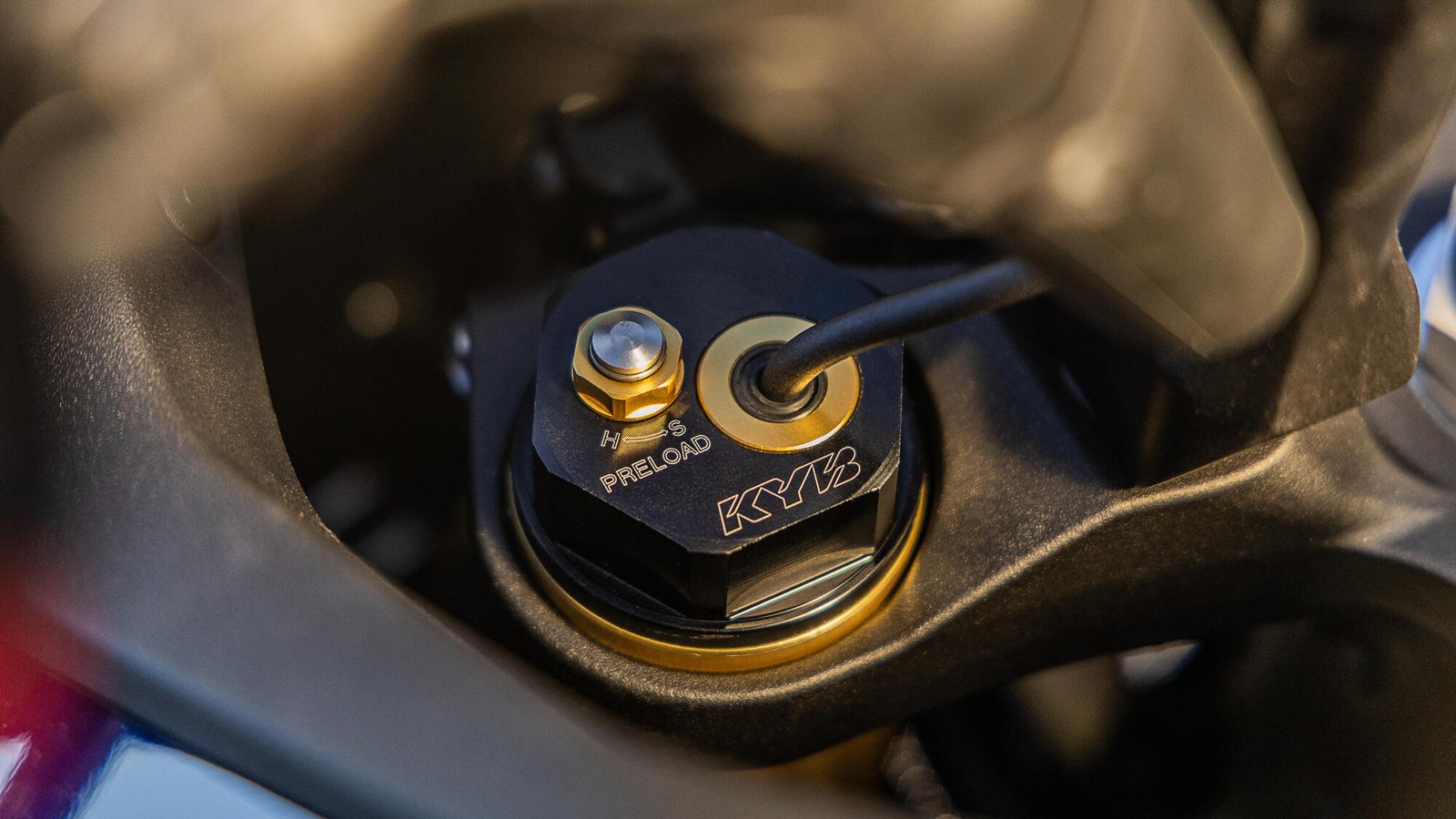
When people hear the term “racing DNA”, they often think of the Yamaha R1. And understandably so. The R Series is directly inspired by Yamaha’s racing programme and remains one of the clearest examples of technology transfer from track to road. But Yamaha’s racing influence extends far beyond its supersport motorcycles.
Racing Is Yamaha’s Test Laboratory
One reason Yamaha continues to compete in racing today is because there is no better environment for testing new ideas. Racing pushes motorcycles to their limits. Engineers gather valuable information about performance, durability, aerodynamics, electronics and handling under conditions that are impossible to replicate in everyday riding. The knowledge gained from competition eventually influences future production motorcycles. In many ways, every race contributes to the motorcycles riders will enjoy tomorrow. A philosophy that has been evolving since 1955.